A Paper Boat Leaves the Map: A Free Image-to-Video Story Starter
“The river ended at the edge of the paper. The boat did not.” is an invented opening, and it leaves a useful problem for the next sentence. Has the boat escaped a world somebody drew for it? Or has the mapmaker simply failed to draw far enough?
For this free image-to-video story exercise, imagine a folded boat on a hand-drawn map laid on a plain tabletop. Its bow will cross the sheet’s edge while the stern remains over the map. No sea needs to appear. A small change in position can raise the question; the writing can decide what follows.
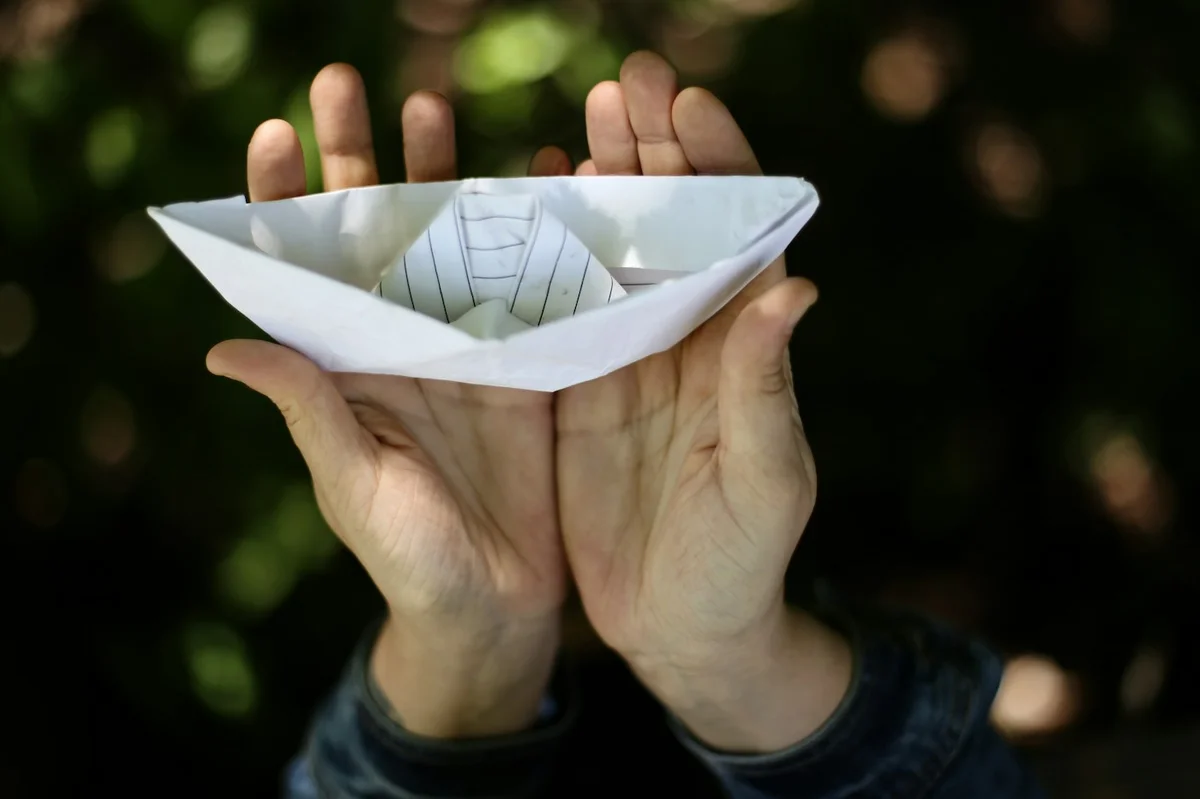
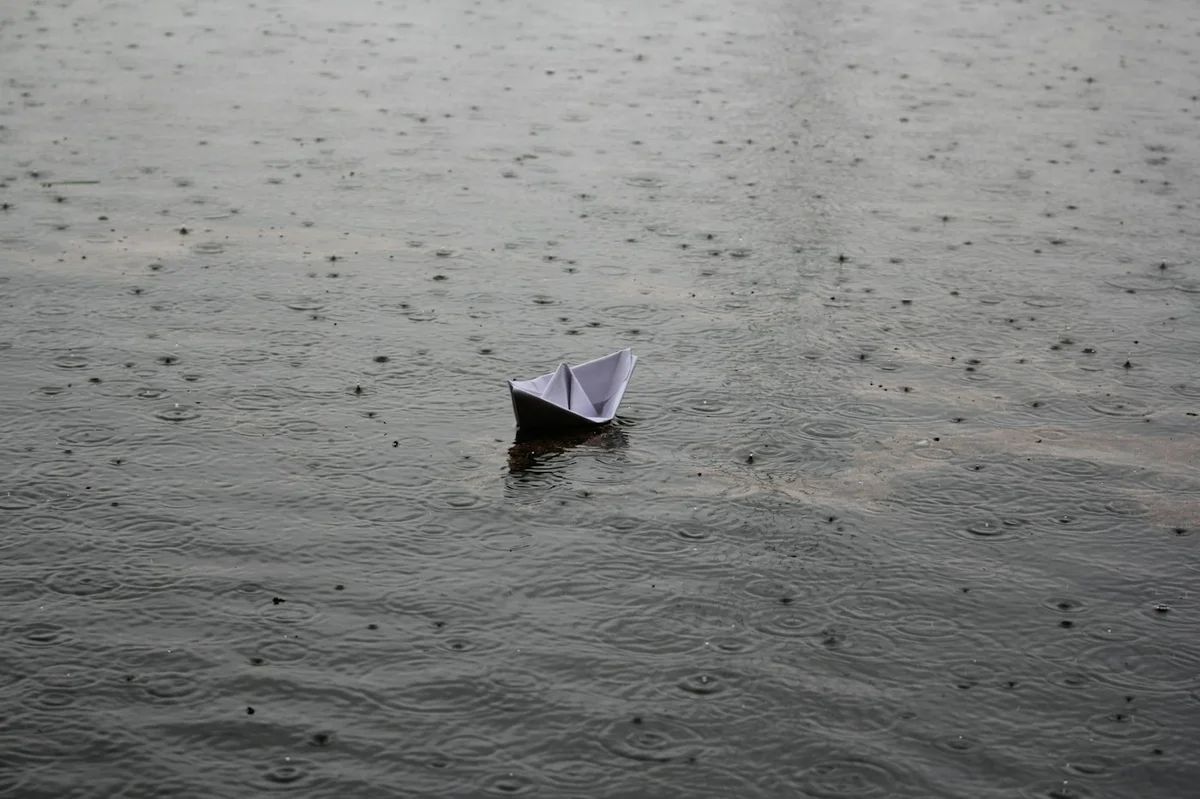
This is a plan to try, not a report of generated footage. The photographs illustrate separate scene, material and detail references. They are not images of a completed boat-on-map project or a pair of inputs to combine.
Decide which world the boat is leaving
Before arranging the objects, write the next sentence. For an escape story, perhaps: “For the first time, no ink told her where to go.” For a comic adventure: “The captain asked why the ocean smelled of furniture polish.” These are different promises to a reader, even if the boat makes the same small journey.
Choose one. The escape version could use a sparse invented map with one river reaching the sheet’s edge and plenty of blank table beyond it. The comic version might leave a pencil just outside the paper, an ordinary object suddenly enormous to the captain. Adding a monster, a storm and a spinning camera would answer a different set of questions.
Draw your own fictional geography. A river, two shorelines and an unfamiliar island can establish enough of a world. Keep the story text out of the image for now; it will be easier to place and read afterward.
Stage the crossing on one table Use a boat and drawing you can photograph and reproduce. Lay the map flat, with the intended exit edge clearly visible, and hold the sheet in place outside the crop. Give the boat only a short distance to travel. Keep the tabletop beneath it; the idea is to cross a sheet of paper, not fall off the furniture.
Set the camera on a stable support and keep the framing, focus, exposure and lamp position unchanged between photographs. Take the beginning with the boat fully over the drawing. Then slide it toward the edge, without unfolding or turning it, until its bow projects beyond the sheet. Photograph that ending from the same position. The boat’s shadow should move with the boat under the same light.
The photograph below folds a printed map into the hull. For our story setup, keep those roles separate: the boat moves while the drawn map remains on the table.
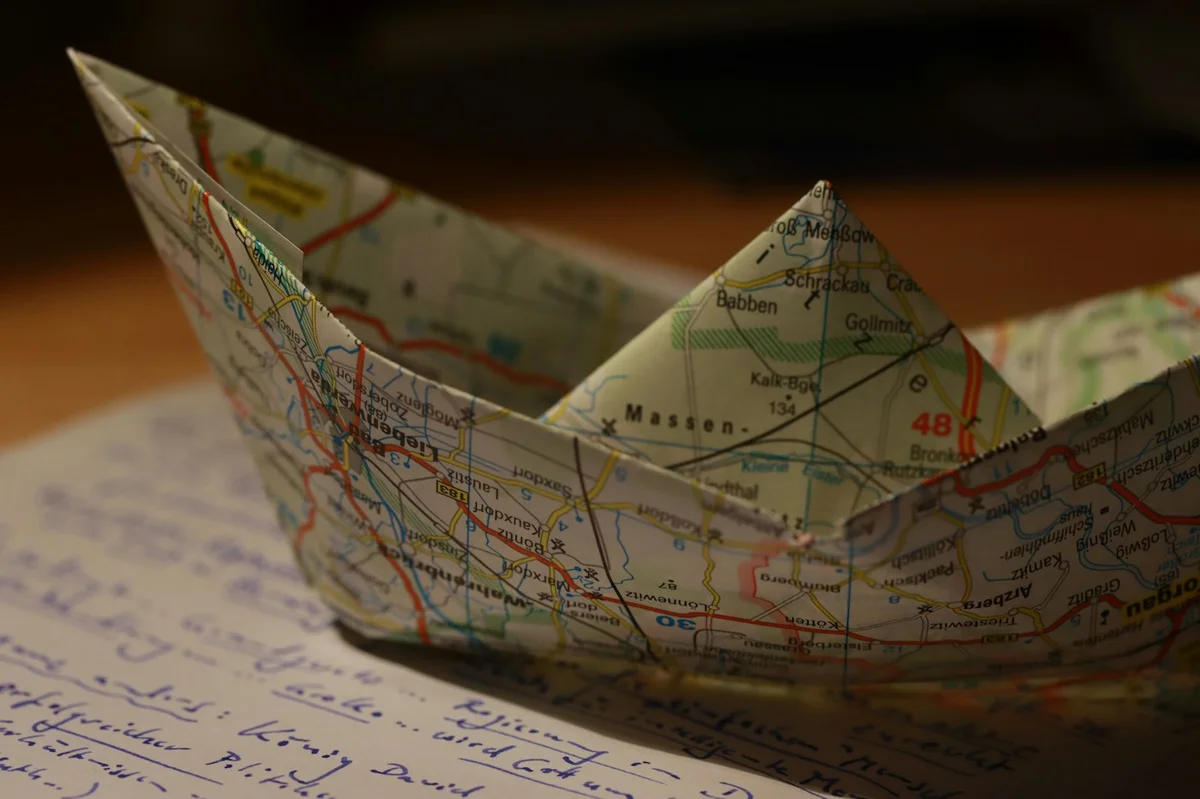
Compare both files before asking a tool to connect them. The river marks and paper corners should line up; the boat should retain its folds. If the camera or map shifted, reset the arrangement and take the ending again. Two photographs from different stock collections cannot substitute for these states of one setup.
A motion instruction might read:
Fixed camera. The paper boat slides slowly forward from its start position until its bow crosses the map sheet’s edge, matching the ending image. Keep its folded shape intact. Its contact shadow follows it consistently with the existing light. The map marks, sheet corners and tabletop remain in place. Do not add water or new objects.
The HeyDream free image-to-video tool is one option for attempting this connection. Its current page requires both a Start Frame and an End Frame, then a motion/camera description and an aspect-ratio choice. Prepare both photographs for the same selected format. The page describes queue status, local history, and preview and download with built-in audio. Those are the described functions, rather than findings from this exercise.
Let the sentence do the exploring If a clip is available, follow the boat’s central fold through the middle of it. Does the hull stay folded? Does the bow cross the sheet instead of melting into it? Check that map lines stay on the paper and that a second, abandoned boat shadow does not remain behind.
An inconsistency gives you a specific revision to consider: the physical endpoint, the description, or whether to use that clip at all. Preview the audio separately, too. A dramatic soundtrack might overwhelm a quiet escape or explain a joke before its sentence arrives.
Add the opening words in an editor, or place the clip beside them in the post. Keep the moment short enough that the crossing still feels like a beginning. The next sentence belongs to the writer; the boat has only opened a little space beyond the map.